Can Stress Cause Chest Pain? Symptoms, Causes & Relief

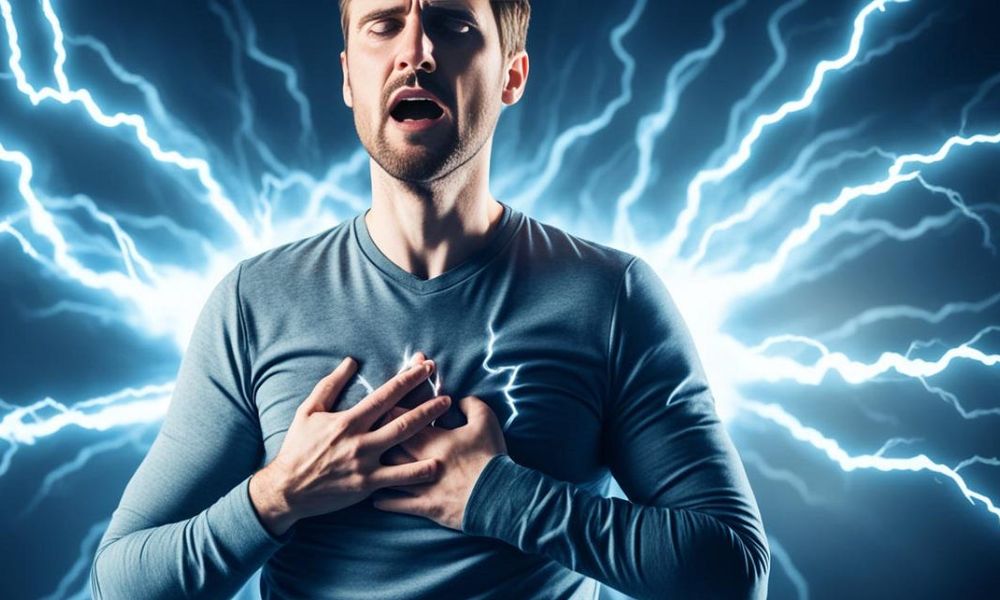
Chest pain is one of the scariest symptoms you can experience. Your mind immediately jumps to the worst-case scenario — a heart attack.
But here’s something many people don’t realize: stress can absolutely cause chest pain.
If you’ve ever felt tightness in your chest during a stressful meeting, an argument, or a panic attack, you’re not alone. Stress-related chest discomfort is surprisingly common.
In this article, we’ll break down why it happens, what it feels like, how to tell it apart from heart problems, and what you can do about it.
Can Stress Cause Chest Pain?
Yes — stress can cause chest pain.
When your body experiences emotional stress, it activates the “fight-or-flight” response. This is your nervous system preparing you to deal with danger.
Your body releases stress hormones like adrenaline and cortisol. As a result:
- Your heart rate increases
- Blood pressure rises
- Muscles tighten
- Breathing becomes faster and shallower
All of these changes can lead to chest discomfort.
This is often called anxiety chest pain or stress-induced chest pain. While it can feel intense, it’s usually not caused by blocked arteries. Instead, it’s a physical response to emotional stress.
Why Does Stress Cause Chest Pain?
Stress affects multiple systems in the body at once. Here’s how that translates into chest pain.
Muscle Tension in the Chest Wall
When you’re stressed, your muscles tighten without you even noticing.
The muscles between your ribs and across your chest can become strained. Over time, this tension causes:
- Sharp or aching pain
- Tenderness when you press on the chest
- Pain that worsens with movement
Many people describe it as a pulled muscle — even though they didn’t exercise.
Hyperventilation and Breathing Changes
Stress often leads to shallow, rapid breathing.
When you hyperventilate, carbon dioxide levels drop in your blood. This can cause:
- Chest tightness
- Dizziness
- Tingling in fingers
- Feeling like you can’t get enough air
Ironically, the more you worry about breathing, the worse it feels.
Panic Attacks
Panic attacks are one of the most intense examples of stress and chest pain.
Symptoms may include:
- Sudden chest pressure
- Racing heart
- Sweating
- Nausea
- Fear of dying
Many people end up in the emergency room thinking they’re having a heart attack — only to learn it was anxiety.
Acid Reflux Triggered by Stress
Stress can also worsen acid reflux (GERD).
When stomach acid flows back into the esophagus, it causes:
- Burning chest pain
- Sour taste in the mouth
- Pain after eating
This burning sensation can feel very similar to heart-related pain.
What Does Stress-Related Chest Pain Feel Like?
Stress chest pain can feel different from person to person.
Common descriptions include:
- Sharp stabbing pain
- Dull ache
- Tight band around the chest
- Burning sensation
- Pain that comes and goes
Unlike heart attack pain, stress-related chest pain often:
- Appears during emotional stress
- Improves with relaxation
- Happens at rest rather than during exertion
Real-life example:
Sarah, 34, noticed chest tightness every Sunday night before work. After medical tests showed her heart was healthy, her doctor linked the pain to job anxiety. Once she began therapy and breathing exercises, the pain decreased dramatically.
Stress Chest Pain vs Heart Attack: How to Tell the Difference
This is the most important question.
Signs of a Heart Attack
Heart attack pain often feels like:
- Heavy pressure or squeezing
- Pain spreading to the arm, jaw, or back
- Shortness of breath
- Nausea or vomiting
- Cold sweats
It typically lasts more than a few minutes and may worsen with physical activity.
When to Seek Emergency Help
Call emergency services immediately if you experience:
- Crushing chest pressure
- Pain radiating to the left arm or jaw
- Fainting
- Severe shortness of breath
If you’re unsure, it’s always better to get checked. Never assume it’s “just stress.”
Risk Factors That Make Stress Chest Pain Worse
Certain habits and conditions increase the likelihood of stress-related chest discomfort:
- Chronic anxiety
- High caffeine intake
- Lack of sleep
- Sedentary lifestyle
- Ongoing emotional stress
- History of panic attacks
The more constantly activated your stress response is, the more likely physical symptoms will show up.
How to Relieve Stress-Induced Chest Pain
The good news? You can reduce it.
Immediate Relief Techniques
If you’re feeling chest tightness right now, try this:
1. Deep Breathing (4-4-6 method)
- Inhale for 4 seconds
- Hold for 4 seconds
- Exhale slowly for 6 seconds
Repeat for 2–3 minutes.
2. Grounding Exercise
Name:
- 5 things you see
- 4 things you feel
- 3 things you hear
This calms your nervous system.
3. Gentle Chest Stretching
Roll your shoulders back. Open your chest. Breathe slowly.
Long-Term Stress Management
If stress chest pain happens often, you need a bigger plan.
Exercise regularly
Walking 30 minutes daily reduces stress hormones.
Cognitive Behavioral Therapy (CBT)
CBT helps reframe anxious thoughts that trigger physical symptoms.
Meditation
Even 10 minutes a day lowers heart rate and muscle tension.
Improve sleep
Aim for 7–9 hours. Poor sleep amplifies anxiety.
Medical Treatment Options
If symptoms persist, a doctor may recommend:
- Anti-anxiety medications
- Beta blockers to reduce physical symptoms
- Evaluation for GERD
- Heart tests to rule out cardiac causes
Getting reassurance after proper testing can also reduce recurring anxiety chest pain.
For More : Morning Routine for Better Physical and Mental Health
When Chest Pain Is Not “Just Stress”
Never ignore recurring chest pain without evaluation.
You should be especially cautious if you have:
- High blood pressure
- Diabetes
- High cholesterol
- Family history of heart disease
- Smoking history
Women may experience subtler heart symptoms, such as fatigue or nausea instead of severe chest pressure.
If something feels different from your usual stress symptoms, get checked.
Prevention Tips
Preventing stress-induced chest pain means managing stress daily.
Try these habits:
- Limit caffeine
- Eat balanced meals
- Practice daily breathing exercises
- Stay physically active
- Set work-life boundaries
- Talk about your stress instead of bottling it up
Small changes make a big difference over time.
Internal Linking Suggestions
To strengthen your site’s SEO structure, consider linking this article to:
- “signs of anxiety disorder”
- “how to lower cortisol naturally”
- “breathing exercises for panic attacks”
Conclusion
So, can stress cause chest pain?
Yes — and it’s more common than most people think. Stress and anxiety can trigger muscle tension, breathing changes, panic attacks, and even acid reflux, all of which may cause chest discomfort.
That said, chest pain should never be ignored. Always rule out heart-related causes first.
Once serious conditions are excluded, managing stress becomes the key to relief. With the right breathing techniques, lifestyle changes, and professional support if needed, you can reduce or even eliminate stress-related chest pain.
If chest pain keeps happening, talk to a healthcare provider. Peace of mind is powerful medicine.
FAQs
1. Can anxiety cause chest pain every day?
Yes. Chronic anxiety can keep your muscles tense and breathing shallow, leading to daily chest discomfort. A medical evaluation is recommended to rule out heart issues.
2. How long does stress chest pain last?
Stress-related chest pain can last from a few minutes to several hours. It often improves once you calm down or remove the stress trigger.
3. Where is anxiety chest pain usually located?
It’s commonly felt in the center or left side of the chest. It may feel sharp, tight, or burning, and often worsens with deep breathing or movement.