Palentu The Next Big Healthy Eating Trend

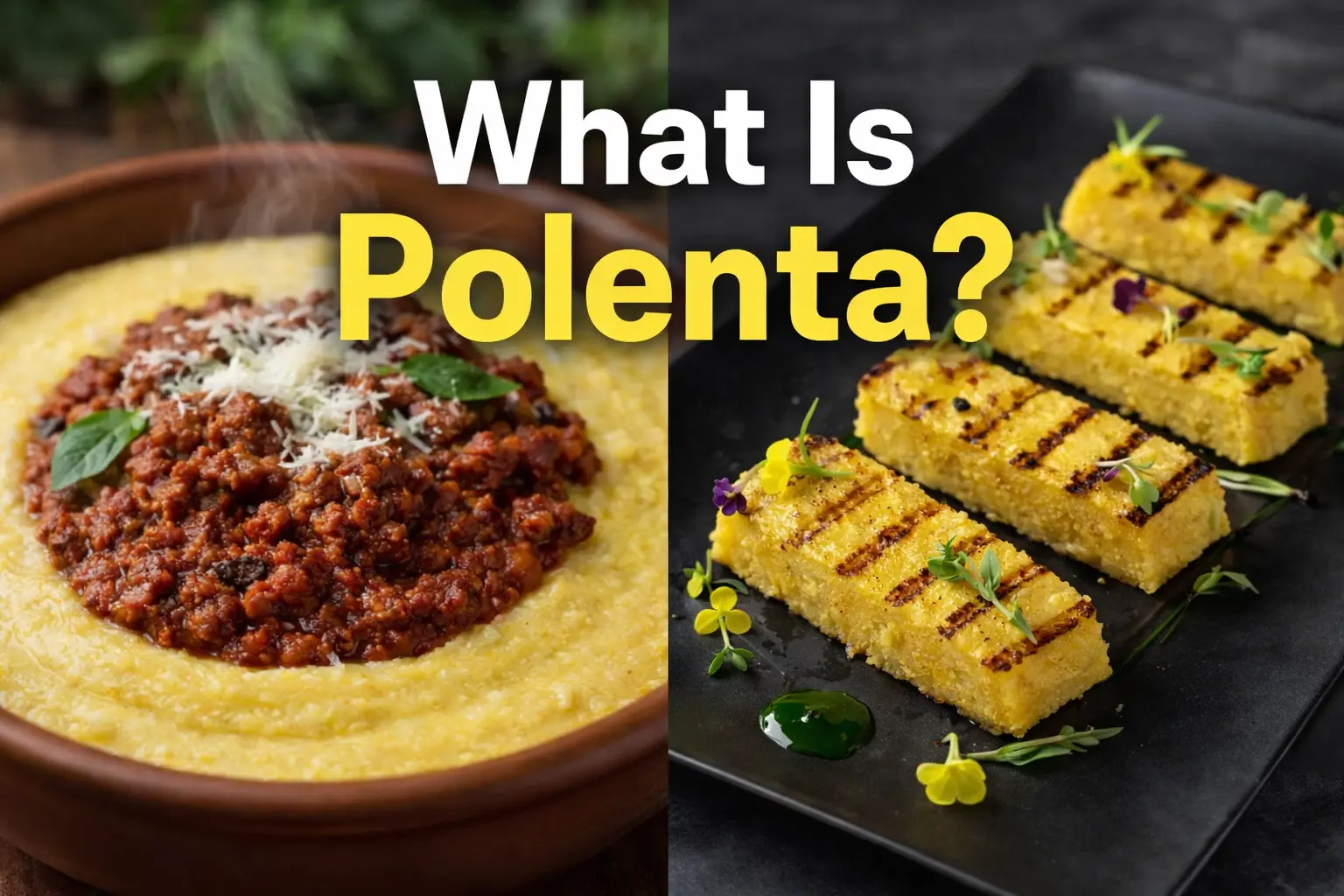
Polenta, also known as Palentu in some regions, is a traditional Italian dish made by boiling cornmeal in water or broth. Over time, this simple food has grown from a humble peasant meal into a globally loved dish featured in both home kitchens and fine-dining restaurants. The word “polenta” refers to both the finished dish and the cornmeal used to prepare it.
Polenta is especially popular in Northern Italy, where it has been a dietary staple for centuries. Its flexibility allows it to be served soft and creamy or cooled and transformed into baked, fried, or grilled dishes. Because it is naturally gluten-free, polenta has also gained popularity among people with dietary restrictions.
History and Origin of Polenta
Polenta has deep historical roots that date back long before corn arrived in Europe. The word “polenta” comes from Latin and originally referred to crushed or hulled grains, especially barley. In ancient Roman times, people prepared a porridge-like dish called puls using grains such as barley, spelt, millet, rye, and even fava beans.
Read Also: Pravi Celer vs Regular Celery: Benefits, Nutrition & Uses
Corn-based polenta only appeared after maize was introduced to Europe in the 15th and 16th centuries following the discovery of the Americas. Northern Italy’s climate proved ideal for growing corn, and it quickly became the main ingredient for polenta. Because corn was affordable and filling, polenta became known as the “bread of the poor.”
Rural families relied heavily on polenta as their primary food source, especially in colder mountainous regions. It was eaten daily and served as a base for vegetables, cheese, or meat when available.
What Is Polenta Made Of?
Traditional polenta is made from yellow cornmeal, water, and salt. The classic ratio is four parts liquid to one part cornmeal, allowing the corn’s natural flavor to develop slowly during cooking.
Authentic Italian polenta is often made using eight-row flint corn (otto file), an heirloom corn variety. This corn differs from dent corn commonly used in American cornmeal. Flint corn contains more starch and less sugar, resulting in a richer flavor and firmer texture.
Types of Grains Used in Polenta
Before corn became common, people made polenta using various grains, including:
- Buckwheat
- Chestnut flour
- Millet
- Spelt
- Chickpeas
- Semolina wheat
Some traditional recipes still use mixed grains today. A famous example is Polenta Taragna, which combines cornmeal with buckwheat flour and is especially popular in Northern Italy.
Most commercial polenta is made from degerminated corn, meaning the germ is removed. While this extends shelf life, it reduces nutritional value. Whole-grain polenta options are available and can be identified by labels stating “whole corn.”
Polenta Texture and Grinding Styles
The texture of polenta depends heavily on how finely the cornmeal is ground.
- Coarse-ground polenta produces a firm texture with noticeable bite
- Medium-ground polenta offers a balanced texture, ideal for most recipes
- Fine-ground polenta creates a smooth and creamy consistency but can taste floury if overcooked
Most chefs recommend medium or coarse ground cornmeal for the best flavor and texture.
How Polenta Is Cooked
Traditional Cooking Method
Traditionally, polenta is cooked in a paiolo, a copper pot with a tapered bottom. The mixture is stirred using a long wooden paddle called a tarai. This method requires patience, as polenta cooks slowly and needs attention to reach the right consistency.
Modern Cooking Methods
Modern kitchens often use stovetops, slow cookers, or even ovens. Contrary to popular belief, polenta does not require constant stirring. Stirring every 5–10 minutes is usually enough.
Quick-cooking polenta is also available and reduces cooking time significantly, while pre-cooked polenta comes in tubes and only needs reheating or slicing.
How Polenta Is Served
Soft and Creamy Polenta
Soft polenta is served warm, often topped with butter, olive oil, cheese, or sauces. Parmigiano-Reggiano is the most traditional cheese added at the end of cooking.
Cooled and Sliced Polenta
Once cooled, polenta sets into a firm block. It can be sliced into squares, rounds, or triangles and stored in the refrigerator for up to three days.
Fried Polenta
Fried polenta has a crispy exterior and creamy inside. It is cooked in oil for about three minutes per side until golden brown.
Baked Polenta
Baked polenta slices are cooked at 400°F for 15–30 minutes. Some dishes layer polenta with vegetables, cheese, or sauce for a casserole-style meal.
Grilled Polenta
Grilled polenta requires firm, chilled slices. It is grilled at high heat until grill marks form, adding a smoky flavor and crunchy texture.
Cultural Importance of Polenta in Italy
Polenta is so important in Northern Italy that people are sometimes nicknamed “polentoni,” meaning polenta eaters. Although once used negatively, the term now reflects cultural pride.
An Italian saying highlights polenta’s value:
“La polenta è utile per quattro cose: serve da minestra, serve da pane, sazia, e scalda le mani.”
(Polenta is good for four things: to make soup, to make bread, to fill you up, and to warm your hands.)
Read More: Levapioli: Italy’s Beloved Culinary Treasure and Its Global Journey
Polenta preparation was traditionally a family ritual. Large pots were placed over open flames, and families gathered around to stir and share the meal together.
Famous Polenta Festivals
- Sagra del Polentone (Tuscany)
- Festa della Polentata (Emilia-Romagna)
- Festa della Polenta in San Quirico a Vernio
- Storo, known as the “capital of Italian polenta”
Nutritional Value of Polenta
Per 100 grams of basic polenta:
- Calories: 71
- Carbohydrates: 12 g
- Protein: 1 g
- Dietary Fiber: 0.6 g
Polenta is low in fat and calories. Its nutritional value increases when cooked with milk or stock or paired with cheese, vegetables, or legumes.
Modern and Global Variations of Polenta
Polenta in Brazilian Cuisine
Italian immigrants introduced polenta to Brazil in the late 19th century. Today, fried polenta is a popular snack, especially in southern regions.
Polenta in American Cuisine
In the United States, polenta has evolved from immigrant food to a fine-dining ingredient. It is often compared to grits, though they differ in corn type, texture, and preparation.
Fine Dining Innovations
Chefs now serve polenta in creative ways, such as polenta mousse, grilled polenta with seafood, or crispy polenta cakes with vegetables.
Polenta for Special Diets
Polenta is naturally gluten-free, making it suitable for people with celiac disease or gluten sensitivity. It is also widely used in vegan cooking, paired with mushrooms, beans, or plant-based sauces to create balanced meals.
FAQs About Polenta
Q1. What is polenta and where does it come from?
Polenta is a traditional Italian dish made from boiled cornmeal, originating in Northern Italy.
Q2. How is polenta usually cooked?
It is slowly cooked in water or broth until creamy, then served soft or cooled and sliced.
Q3. Is polenta healthy?
Yes, polenta is low in calories and gluten-free. Its nutrition improves with healthy toppings.
Q4. Can polenta be used worldwide?
Yes, it is popular in Brazil, the USA, and many European countries.
Q5. Is polenta suitable for vegan diets?
Yes, polenta works very well with plant-based ingredients.
Final Thoughts
Polenta (Palentu) is more than just a simple dish. It represents history, culture, and adaptability. From Italian villages to global restaurants, polenta continues to evolve while keeping its traditional roots alive. Its simplicity, affordability, and versatility make it a timeless favorite in kitchens around the world.