How Surgical Options Help Treatment for Turkey Neck Concerns

Introduction to Turkey Neck Concerns
What is commonly meant by “turkey neck”
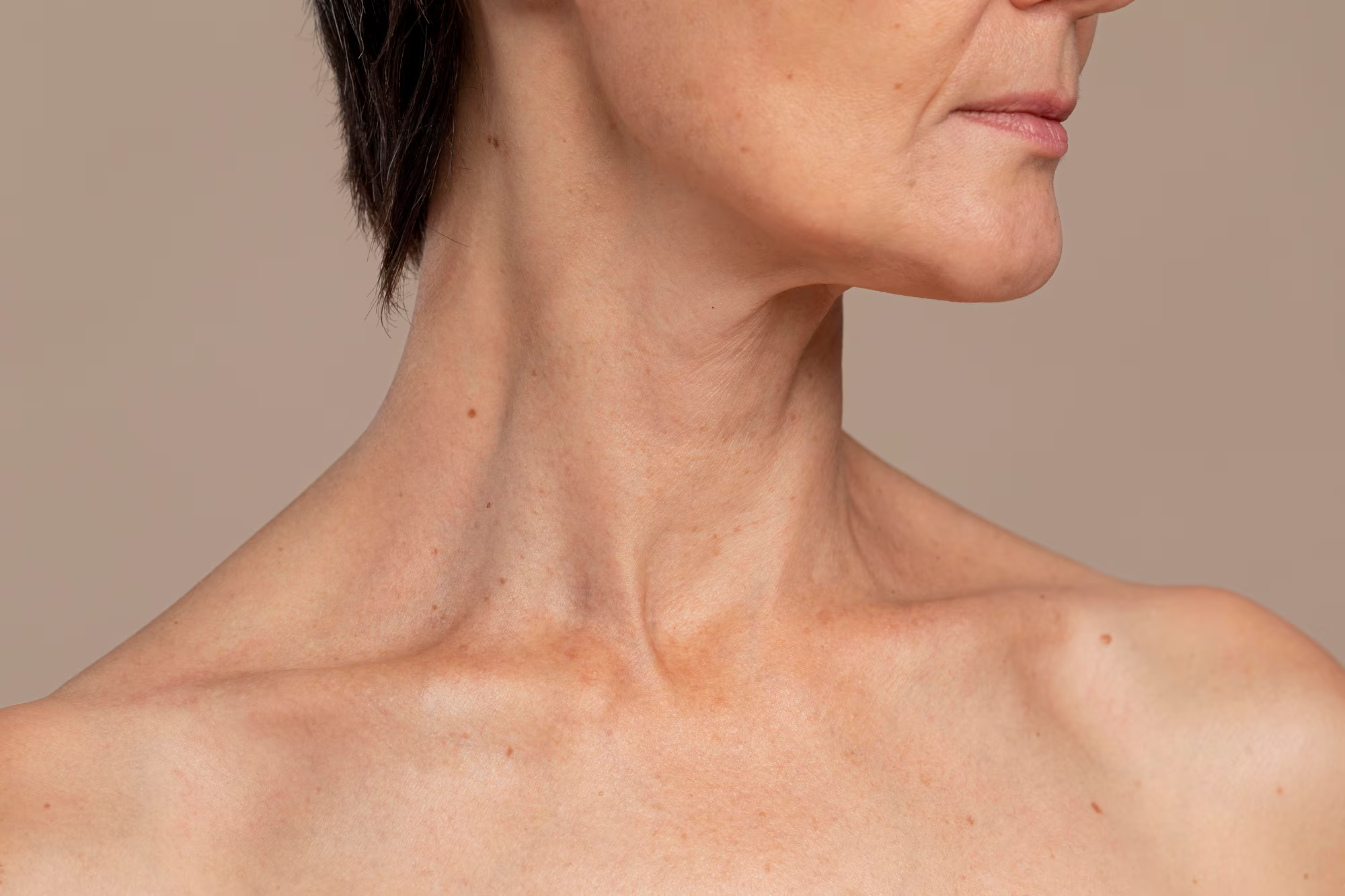
Turkey neck is a term used to describe loose, sagging skin and muscle banding around the neck area. It often becomes more noticeable with age, but it can also develop due to weight changes, genetics, sun exposure, and reduced skin elasticity. Many people find that it affects their overall facial appearance and confidence, especially when looking in the mirror or in photos.
Why the neck changes over time
The neck skin is thinner compared to other areas of the body, which makes it more vulnerable to ageing. Over time, collagen and elastin levels decrease, leading to sagging. The platysma muscle, which supports the neck structure, can also weaken and separate, creating visible vertical bands. Fat accumulation under the chin may also add to the appearance of fullness or drooping.
While non-surgical treatments can help in mild cases, more advanced concerns often require surgical options for longer-lasting and more noticeable improvement.
Surgical Options for Treatment for Turkey Neck

A neck lift is one of the most effective surgical approaches for moderate to severe turkey neck concerns. This procedure focuses on tightening loose skin, removing excess fat, and repositioning underlying muscles.
During surgery, small incisions are usually made behind the ears and sometimes under the chin. Through these incisions, a surgeon can tighten the platysma muscle and remove extra skin. The result is a smoother and more defined neck contour.
A neck lift is commonly chosen by people who have significant sagging that cannot be improved with creams, exercise, or non-invasive treatments.
Platysmaplasty for muscle tightening
Platysmaplasty specifically targets the platysma muscle. When this muscle separates or weakens, it creates visible vertical bands in the neck.
In this procedure, the surgeon brings the muscle edges together and tightens them to restore a firmer neck structure. It can be performed on its own or combined with a neck lift for more complete results.
Must Read: Early Signs Motor Neurone Disease: Symptoms to Notice
This option is often recommended for patients who still have good skin elasticity but struggle with visible muscle banding.
Liposuction under the chin
For individuals with excess fat under the chin but minimal skin sagging, liposuction can be an effective option. This procedure removes localised fat deposits through small incisions, usually placed under the chin.
By reducing fat volume, the jawline becomes more defined and the neck appears slimmer. Liposuction is often combined with other surgical techniques when both fat and loose skin are present.
Facelift surgery and neck improvement
A facelift is not only focused on the face but can also improve the appearance of the neck. In many cases, surgeons combine facelift procedures with neck lift techniques to achieve balanced facial rejuvenation.
By lifting the lower face and tightening neck tissues together, the transition between the jawline and neck becomes more defined. This combined approach is often chosen by patients seeking more comprehensive results.
How Facial Procedures Work Together
The role of overall facial harmony
Treating turkey neck concerns is not always about the neck alone. The lower face, jawline, and neck work together to create facial balance. If only the neck is treated without considering surrounding features, results may look incomplete.
For this reason, surgeons often assess the entire face before recommending treatment. In some cases, additional procedures such as chin enhancement or fat transfer may be suggested to improve proportion and structure.
Connection with open septorhinoplasty
Although open septorhinoplasty is primarily a nasal surgery that reshapes the nose and improves breathing, it can also contribute to overall facial balance. When facial features are brought into better proportion, the neck and jawline can appear more refined as well.
For example, a well-proportioned nose can enhance facial symmetry, which indirectly affects how the lower face and neck are perceived. While it does not treat turkey neck directly, it is sometimes considered in broader facial surgical planning for overall harmony.
Who Is Suitable for Surgical Treatment for Turkey Neck
Common candidate profiles
People who consider surgical options for turkey neck often share some of the following characteristics:
- Noticeable loose skin under the chin or neck
- Visible vertical neck bands
- Excess fat under the chin that does not respond to weight loss
- Reduced jawline definition
- General discomfort with the appearance of the lower face
Most suitable candidates are in good overall health and do not have medical conditions that may interfere with healing.
When surgery is preferred over non-surgical treatments
Non-surgical treatments such as radiofrequency skin tightening or injectables may help mild cases. However, when skin laxity is advanced or muscle separation is significant, surgical treatment is usually more effective.
Surgery provides structural correction rather than temporary surface improvement, which is why results tend to last longer.
Recovery and Expected Results
What to expect after surgery
Recovery time depends on the type of procedure performed. Most patients experience swelling, tightness, and mild discomfort during the first one to two weeks. Bruising may also occur but gradually improves.
Patients are usually advised to keep their head elevated, avoid heavy activity, and follow aftercare instructions carefully to support healing.
Timeline for visible improvement
While some improvement is visible once swelling reduces, final results typically become clearer after a few months. As tissues settle and healing progresses, the neck appears smoother, firmer, and more defined.
The longevity of results depends on lifestyle factors such as skin care, sun protection, and maintaining a stable weight.
Benefits of Surgical Treatment for Turkey Neck
Improved neck contour
One of the main benefits is a more defined and youthful neck profile. Excess skin and fat are reduced, and the jawline becomes sharper.
Long-lasting results
Unlike temporary treatments, surgical procedures provide structural changes that last for many years when properly maintained.
Better facial balance
By improving the lower face and neck relationship, overall facial harmony is enhanced. This can create a more refreshed and balanced appearance.
Final Thoughts on Surgical Solutions
Choosing the right approach
Treatment for turkey neck concerns depends on the severity of the condition and individual goals. Some people benefit from a single procedure, while others achieve better results through combined surgical techniques.
Importance of professional assessment
A proper consultation with a qualified medical professional is essential before deciding on surgery. Each face is unique, and treatment plans should be tailored to suit skin condition, muscle structure, and overall facial balance.
Surgical options such as neck lift, platysmaplasty, and liposuction offer effective solutions for improving turkey neck concerns. When planned carefully, they can restore definition to the neck area and contribute to a more balanced facial appearance.