Understanding Forehead Reduction Surgery Benefits And Risks

What Is Forehead Reduction Surgery
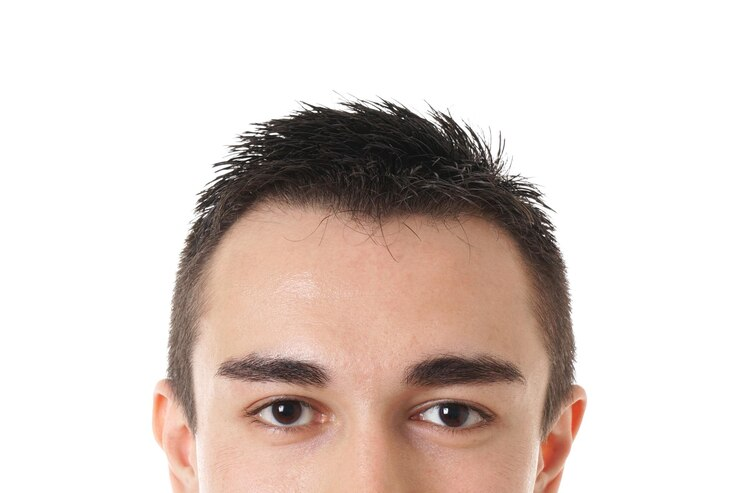
Forehead reduction surgery is a cosmetic procedure designed to reduce the height of the forehead by lowering the hairline. The procedure is commonly chosen by individuals who feel their forehead appears disproportionately large compared to the rest of their facial features.
A high hairline may occur naturally due to genetics, hair loss patterns, or previous changes in hair density. For some individuals, this can affect facial balance and overall confidence. Forehead reduction surgery aims to create improved facial proportions by repositioning the hairline to a lower position.
The procedure is different from hair transplantation, although both can be used to improve hairline appearance. Forehead reduction surgery physically advances the scalp forward, while hair transplantation redistributes hair follicles over time.
How Forehead Reduction Surgery Works
Hairline Advancement Technique
The most common technique used in forehead reduction surgery involves removing a strip of forehead skin near the hairline. The scalp is then carefully advanced forward, and the hairline is repositioned lower on the forehead.
The amount of reduction depends on scalp flexibility, hair density, and individual facial proportions. Surgeons aim to achieve natural-looking results that maintain balance with other facial features.
Anaesthesia and Surgical Planning
The procedure is usually performed under local anaesthetic with sedation or general anaesthetic depending on the complexity of the case.
Before surgery, the surgeon carefully measures forehead proportions and discusses realistic expectations with the patient. Hairline design is customised according to facial structure, hair growth patterns, and long-term aesthetic goals.
Recovery Process
After surgery, mild swelling, tightness, and temporary numbness around the forehead and scalp are common. Most individuals return to normal light activities within a short recovery period, although complete healing continues over several months.
The scar is usually placed along the hairline to reduce visibility, and hair growth around the incision area often helps conceal it further over time.
Benefits of Forehead Reduction Surgery
Improved Facial Balance
One of the main benefits of forehead reduction surgery is improved facial proportion. A lower hairline can help create better balance between the forehead, eyes, nose, and chin.
Must Read: Top 10 Hair Transplant Clinics in Turkey 2026
For individuals with naturally high foreheads, even a modest reduction can significantly change overall facial harmony.
Immediate Hairline Lowering
Unlike hair transplantation, which may take many months to show full results, forehead reduction surgery provides immediate lowering of the hairline after healing.
This can be beneficial for patients seeking faster visible improvement.
Long-Lasting Results
Because the procedure physically repositions the scalp, results are generally long lasting. However, future hair loss patterns may still influence long-term appearance in some individuals.
Improved Confidence
Many people choose forehead reduction surgery because they feel self-conscious about forehead size or hairline shape. Improving these proportions may help support greater comfort and confidence in personal appearance.
Risks and Limitations of Forehead Reduction Surgery
Scarring
As with any surgical procedure, scarring is one of the main considerations. Although the incision is typically placed along the hairline, scar visibility varies depending on healing response, skin type, and hair density.
In most cases, the scar improves gradually over time, but some individuals may develop more noticeable scarring than others.
Temporary Numbness
Some patients experience temporary numbness or altered sensation around the scalp and forehead after surgery. This usually improves gradually as nerves heal, although recovery times vary.
Swelling and Discomfort
Swelling and mild discomfort are common during the early recovery period. Bruising may also occur around the forehead or eyes depending on the extent of surgery performed.
These effects are generally temporary and improve as healing progresses.
Hairline Changes Over Time
While forehead reduction surgery provides long-lasting results, future hair thinning or hair loss may affect the appearance of the hairline later in life. This is particularly important for individuals with a family history of hair loss.
Comparing Forehead Reduction Surgery and Body Contouring Procedures
When discussing cosmetic surgery, it is common to compare facial procedures with body contouring treatments such as a butt lift in UK clinics. Although these procedures focus on different areas of the body, both aim to improve proportion and shape.
Focus of Treatment
Forehead reduction surgery focuses on facial balance and hairline positioning, while a butt lift in UK procedure is designed to improve body contour and buttock shape.
Surgical Goals
Forehead reduction aims to create improved upper-face harmony, whereas butt lift procedures focus on enhancing body proportions and contour in the lower body.
Recovery Differences
Recovery areas and healing experiences differ significantly. Facial surgeries often involve swelling and scalp tightness, while body contouring procedures may require longer restrictions on sitting, exercise, or physical activity.
Who May Be Suitable for Forehead Reduction Surgery
Individuals With a Naturally High Hairline
The procedure is commonly suitable for individuals who naturally have a high forehead and sufficient scalp flexibility.
Patients Seeking Faster Hairline Improvement
People who want immediate lowering of the hairline rather than waiting for hair transplant growth may consider this procedure.
Those With Stable Hair Density
Good hair density near the hairline often helps achieve more natural-looking results and better scar concealment.
Important Considerations Before Surgery

Realistic Expectations
While forehead reduction surgery can improve facial proportions, it is important to maintain realistic expectations regarding scar visibility, recovery, and achievable lowering distance.
Consultation With a Qualified Surgeon
Professional assessment is essential to determine suitability based on:
- Hairline pattern
- Scalp flexibility
- Skin condition
- Hair density
- Medical history
A qualified surgeon can explain limitations and recommend the most suitable approach.
Long-Term Planning
Individuals with concerns about future hair loss may need to discuss long-term planning during consultation. In some cases, combining forehead reduction with hair restoration procedures may be considered.
Conclusion
Forehead reduction surgery is a cosmetic procedure designed to lower the hairline and improve facial balance by reducing forehead height. The procedure offers benefits such as immediate hairline lowering, improved facial harmony, and long-lasting results.
However, like all surgeries, it also involves risks including scarring, swelling, temporary numbness, and potential long-term hairline changes. Careful consultation and realistic expectations are important when considering treatment.
While unrelated procedures such as a butt lift in UK focus on body contouring rather than facial balance, both highlight the growing interest in cosmetic procedures aimed at improving proportion and confidence. Choosing the right treatment depends on individual anatomy, goals, and professional guidance.