
Early Signs Motor Neurone Disease: Symptoms to Notice

Introduction
Motor neurone disease (MND) is a rare neurological condition that affects the nerves controlling voluntary muscles. Recognizing the early signs motor neurone disease can help people seek medical advice sooner and receive appropriate support. The condition gradually damages the nerve cells responsible for sending signals from the brain to the muscles. Over time, this damage leads to weakness, movement difficulties, and other symptoms.
In the early stages, the signs may be mild and easy to overlook. Some people may notice small changes such as muscle twitching, difficulty gripping objects, or problems with speech. Because these symptoms may resemble other health conditions, many individuals do not immediately suspect motor neurone disease.
Must Read: Chest Pain When Coughing: Is it anything to worry about when my chest is sore when I sneeze?
Understanding the early signs motor neurone disease can help patients and families recognize unusual changes in the body. Early awareness allows for timely medical evaluation, diagnosis, and management strategies that may improve quality of life. This article explains the symptoms, causes, diagnosis, risk factors, and treatment options associated with motor neurone disease in clear and simple language.
What Is Early Signs Motor Neurone Disease
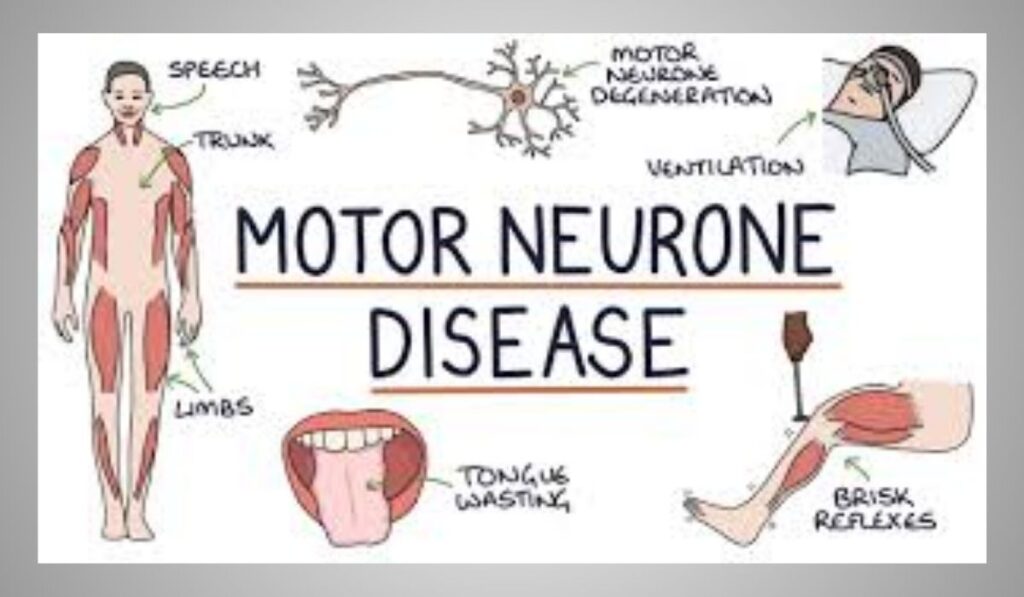
Motor neurone disease is a progressive neurological disorder that affects motor neurons. These neurons control voluntary movements such as walking, talking, swallowing, and breathing. When these nerve cells gradually deteriorate, the muscles they control weaken and shrink.
The early signs motor neurone disease often begin slowly and may appear in different parts of the body. Some people first notice weakness in their hands or legs. Others may experience speech problems or difficulty swallowing. Because the symptoms vary from person to person, diagnosis can sometimes take time.
Read Also: What Causes Lower Left Abdominal Pain in Females?
Motor neurone disease belongs to a group of disorders that damage motor nerves. One of the most well-known forms is amyotrophic lateral sclerosis (ALS). As the disease progresses, communication between the brain and muscles becomes disrupted.
In the early stages, the symptoms are usually mild but gradually worsen over time. Recognizing these early changes is important because medical support, therapy, and lifestyle adjustments may help manage the condition more effectively.
Symptoms of Early Signs Motor Neurone

The early signs motor neurone disease can vary widely depending on which nerve cells are affected first. Many symptoms develop slowly and may appear harmless at first.
Common early symptoms include:
- Muscle weakness in the hands, arms, or legs
- Difficulty gripping objects or buttoning clothes
- Muscle twitching (fasciculations)
- Slurred or unclear speech
- Trouble swallowing food or liquids
- Frequent tripping or loss of balance
- Muscle cramps or stiffness
- Fatigue during simple physical activities
Some individuals may also experience emotional changes or difficulty controlling laughter or crying. However, mental abilities such as thinking and memory usually remain normal in most people.
Symptom Comparison Table
| Early Symptom | Description |
|---|---|
| Muscle Weakness | Reduced strength in hands, arms, or legs |
| Muscle Twitching | Small involuntary movements under the skin |
| Speech Changes | Slurred or slow speech |
| Balance Issues | Difficulty walking or frequent falls |
| Swallowing Problems | Trouble eating or drinking |
Recognizing these symptoms early may help patients consult a doctor for further evaluation.
Causes of Early Signs Motor Neurone
The exact cause of motor neurone disease is not fully understood. In many cases, the condition appears without a clear reason. However, researchers believe several biological and environmental factors may contribute to the disease.
Possible causes include:
- Genetic mutations affecting nerve cells
- Damage caused by abnormal protein buildup
- Inflammation in the nervous system
- Oxidative stress that harms neurons
- Environmental exposures in some cases
Around 5–10% of cases are considered hereditary. This means the disease may run in families due to genetic changes passed from one generation to another.
Scientists are still studying why motor neurons become damaged. Many theories suggest that multiple factors may work together to trigger the disease. Understanding the causes may help researchers develop better treatments and preventive strategies in the future.
Risk Factors
Although motor neurone disease is relatively rare, certain factors may increase the likelihood of developing the condition.
Some known risk factors include:
- Age: Most cases occur between ages 40 and 70
- Genetics: A family history of MND increases risk
- Gender: Men are slightly more likely to develop the disease
- Environmental exposure: Some studies suggest links with toxins or heavy metals
- Military service: Research has shown higher rates among some veterans
It is important to note that having these risk factors does not guarantee someone will develop motor neurone disease. Many individuals with the condition have no clear risk factors at all.
Researchers continue to investigate the role of genetics, lifestyle, and environmental influences in the development of this neurological disorder.
Diagnosis
Diagnosing motor neurone disease can be challenging, especially in the early stages. The early signs motor neurone disease may resemble other neurological conditions such as multiple sclerosis, nerve injuries, or muscle disorders.
Doctors usually begin the diagnosis with a detailed medical history and physical examination. They assess muscle strength, reflexes, coordination, and nerve function.
Common diagnostic tests include:
- Electromyography (EMG): Measures electrical activity in muscles
- Nerve conduction studies: Evaluate nerve signal transmission
- MRI scans: Examine the brain and spinal cord
- Blood tests: Rule out other conditions
- Genetic testing: Identify inherited forms of the disease
Because there is no single test that confirms motor neurone disease, doctors often rely on a combination of evaluations. Early diagnosis can help patients access supportive therapies and medical care sooner.
Treatment Options
Currently, there is no cure for motor neurone disease. However, several treatments and supportive therapies can help manage symptoms and improve quality of life.
Treatment plans usually involve a team of healthcare professionals including neurologists, physiotherapists, speech therapists, and nutrition specialists.
Medical Treatments
Medical treatments aim to slow disease progression and relieve symptoms.
Some commonly used options include:
- Medications that may slow nerve damage
- Muscle relaxants to reduce cramps and stiffness
- Pain management medications
- Breathing support devices
- Speech therapy for communication difficulties
These treatments cannot stop the disease completely, but they may help patients maintain independence for a longer period.
Home Remedies
Certain lifestyle adjustments and supportive care at home can help manage symptoms and improve comfort.
Helpful strategies include:
- Gentle physical therapy exercises
- Balanced nutrition with soft foods if swallowing is difficult
- Adequate rest and energy conservation
- Assistive devices for mobility
- Emotional and psychological support
These approaches should always be discussed with healthcare professionals before being implemented.
Prevention Tips
Because the exact cause of motor neurone disease is unknown, there is no guaranteed way to prevent it. However, maintaining overall neurological health may reduce certain risks.
Possible preventive strategies include:
- Maintaining a healthy lifestyle
- Eating a balanced diet rich in antioxidants
- Avoiding exposure to harmful toxins
- Staying physically active
- Managing stress effectively
- Getting regular health checkups
Although these steps cannot prevent motor neurone disease entirely, they support overall brain and nerve health.
When to See a Doctor
It is important to consult a healthcare professional if you notice persistent neurological symptoms. Early medical evaluation can help rule out other conditions and provide appropriate care.
You should seek medical advice if you experience:
- Persistent muscle weakness
- Frequent muscle twitching
- Difficulty speaking or swallowing
- Balance problems or repeated falls
- Unexplained muscle cramps or stiffness
Many of these symptoms may have other causes, but a doctor can determine whether further testing is needed. Early evaluation ensures that any underlying condition is identified and managed as soon as possible.
Lifestyle and Diet Tips
Living with motor neurone disease requires adjustments in daily routines and nutrition. A healthy lifestyle can help support physical strength and overall well-being.
Important lifestyle tips include:
- Follow a balanced diet with protein, fruits, and vegetables
- Eat soft foods if swallowing becomes difficult
- Stay hydrated throughout the day
- Perform gentle exercises recommended by a physiotherapist
- Use assistive devices to maintain independence
- Seek emotional support from family or support groups
Proper nutrition is especially important because people with motor neurone disease may experience weight loss due to muscle wasting and swallowing difficulties. A dietitian can help create a personalized meal plan.
Frequently Asked Questions
What are the earliest symptoms of motor neurone disease?
The earliest symptoms may include muscle weakness, twitching, difficulty gripping objects, or slurred speech.
Is motor neurone disease hereditary?
About 5–10% of cases are inherited through genetic mutations. Most cases occur without a family history.
How fast does motor neurone disease progress?
The progression varies between individuals. Some people experience slow changes over several years, while others progress more rapidly.
Can motor neurone disease be cured?
Currently, there is no cure. However, treatments and supportive therapies can help manage symptoms and improve quality of life.
Is motor neurone disease the same as ALS?
ALS (amyotrophic lateral sclerosis) is the most common type of motor neurone disease.
Conclusion
Recognizing the early signs motor neurone disease is important for early medical evaluation and proper management. Symptoms such as muscle weakness, twitching, speech difficulties, and balance problems may appear gradually in the early stages. Although these signs can resemble other health conditions, consulting a healthcare professional can help determine the cause.
While there is currently no cure for motor neurone disease, treatments and supportive therapies can help manage symptoms and improve quality of life. Early diagnosis allows patients to access medical care, rehabilitation programs, and support services that may help maintain independence.
Medical Disclaimer
This article is for informational purposes only and should not replace professional medical advice. Always consult a qualified healthcare professional regarding medical concerns.
References
- World Health Organization (WHO)
- National Institute of Neurological Disorders and Stroke
- Peer-reviewed neurological research journals
- Major neurology hospital guidelines