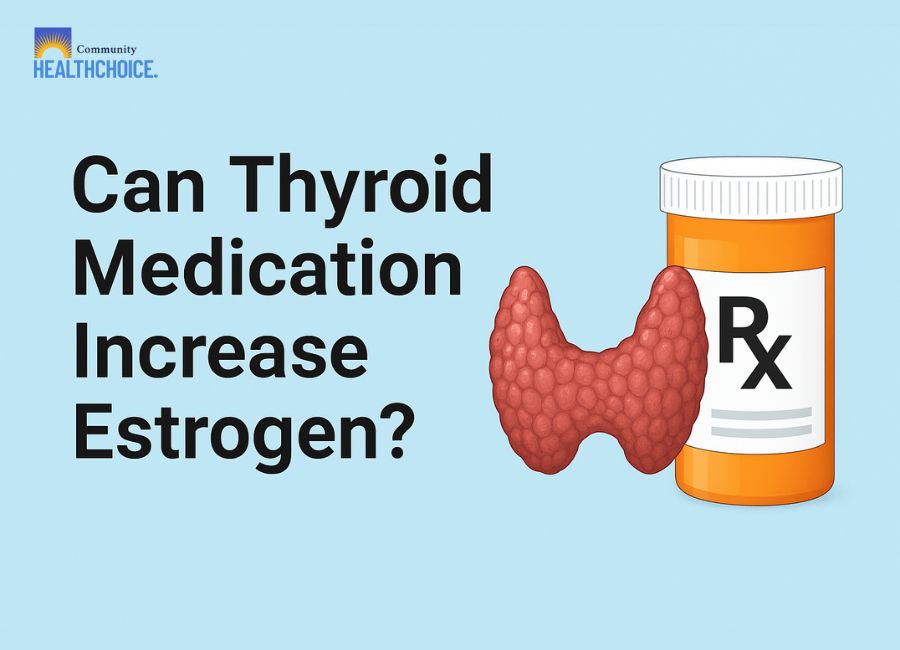
Can Thyroid Medication Increase Estrogen?

Introduction
Thyroid medications are commonly prescribed to treat conditions like hypothyroidism and hyperthyroidism. While their primary role is to regulate thyroid hormones, many people wonder if these medications can also influence other hormones, particularly estrogen. Understanding this relationship is important for anyone concerned about hormonal balance, reproductive health, or overall wellness.
What Are Thyroid Medications?
Thyroid medications, such as levothyroxine or liothyronine, are designed to normalize thyroid hormone levels. These hormones are crucial for metabolism, energy production, and even reproductive health. When thyroid hormone levels are too low or too high, medications help restore balance, potentially impacting other hormonal systems in the body.
How Thyroid Hormones Interact with Estrogen
Thyroid hormones and estrogen are closely linked. The thyroid influences the liver’s production of sex hormone-binding globulin (SHBG), a protein that controls the amount of estrogen circulating in your blood. When thyroid function changes, SHBG levels may shift, which can indirectly affect estrogen levels.
Who May Experience Estrogen Changes?
Some groups, especially women, middle-aged individuals, or those with thyroid disorders, may notice subtle estrogen changes. For more on women’s reproductive health and hormones, read our detailed guide.
What Are Thyroid Medications?
Thyroid medications, such as levothyroxine or liothyronine, help normalize hormone levels and support metabolism and energy production. For more detailed information, you can check WebMD’s guide on levothyroxine.
Can Thyroid Medication Increase Estrogen?
- Restoring Balance: Correcting low thyroid hormone levels can sometimes lead to a mild increase in circulating estrogen, particularly in women.
- Normalizing Hormones: This increase is usually part of restoring normal hormonal function rather than causing an excessive estrogen surge.
- Individual Differences: Effects can vary depending on age, gender, and overall health. Some people may notice more pronounced changes than others.
Who May Experience Estrogen Changes?
- Women starting thyroid medication after hypothyroidism diagnosis
- Individuals with menstrual irregularities or menopausal symptoms
- Patients monitoring fertility or taking hormone therapy
Tips for Maintaining Hormonal Balance
- Regular Testing: Monitor thyroid and estrogen levels with your healthcare provider.
- Healthy Diet: Include foods rich in iodine, selenium, and zinc to support thyroid health.
- Avoid Self-Medication: Never adjust thyroid medication without medical advice.
- Track Symptoms: Keep a log of changes in mood, weight, or menstrual cycles.
Conclusion
While thyroid medications primarily target thyroid hormones, they can indirectly influence estrogen levels by restoring hormonal balance. For most people, these changes are mild and beneficial. Monitoring your hormone levels and consulting your doctor ensures optimal health and prevents potential complications.